
Study: Praying with Luther – How to Pray the Bible
Bible Study for Senior Adult VBS on January 19, 2026.
Introduction
My new favorite Bible passage...
Exodus 2
Exodus 2.23 | After a long time, the king of Egypt died. The Israelites groaned because of their difficult labor, and they cried out, and their cry for help because of the difficult labor ascended to God. (CSB)
Exodus 2.24 | God heard their groaning, and God remembered his covenant with Abraham, with Isaac, and with Jacob. (CSB)
Isn't that beautiful and encouraging!
Today, I want to encourage you as we focus on the GIFT OF PRAYER.
I want to do this in an unexpected way...
I want us to focus on what a long-ago Christian Bible teacher taught and modeled on the subject of prayer.
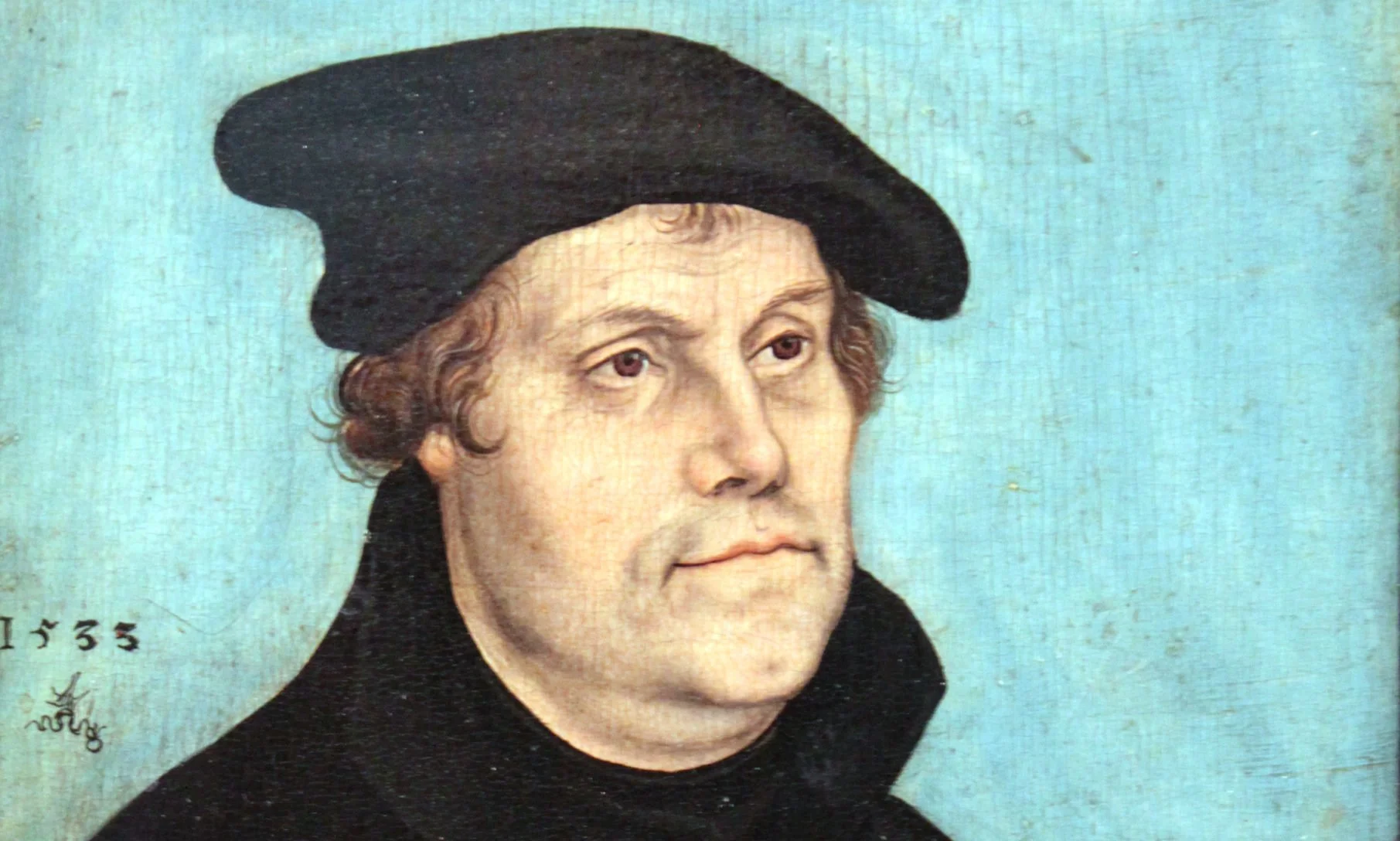
Today we will look at what Martin Luther taught and modeled about prayer and PRAYING THE BIBLE.
On Wednesday, we will look at what George Muller taught and modeled about PRAYING BOLDLY.
On Friday, we will look at what Augustine of Hippo taught and modeled about HOW PRAYER CHANGES THE PRAY-ER.
Why would we look to these three men and not at the Bible?
Well, we will look first to the Bible.
Scripture alone is our final authority for faith and practice.
Scripture is sufficient, inspired, and authoritative.
But Scripture alone does NOT mean Scripture isolated.
The Bible itself encourages us to learn from faithful examples and receive instruction from Bible teachers God has given across time.
Ephesians 4.11 | And he himself gave some to be apostles, some prophets, some evangelists, some pastors and teachers, (CSB)
Ephesians 4.12 | to equip the saints for the work of ministry, to build up the body of Christ, (CSB)
2 Timothy 2.2 | What you have heard from me in the presence of many witnesses, commit to faithful men who will be able to teach others also. (CSB)
Hebrews 13.7 | Remember your leaders who have spoken God’s word to you. As you carefully observe the outcome of their lives, imitate their faith. (CSB)
Who is Martin Luther?
Martin Luther was not a perfect man...
But God used him to recover...
The authority of Scripture...
The free grace of the gospel...
Luther’s driving question:
How can a sinful person stand righteous before a holy God?
Early life...
Born in 1483 in Eisleben, Germany.
Intellectually gifted young man raised in a strict household.
His father wanted him to become a lawyer.
The Thunderstorm
1505, caught in a violent storm...
Cried out...
Help me, St. Anne, and I will become a monk!
Entered an Augustinian monastery...
Though he was extremely pious, he found no peace there.
Breakthrough (Around 510)
Studying Romans...
Romans 1.16 | For I am not ashamed of the gospel, because it is the power of God for salvation to everyone who believes, first to the Jew, and also to the Greek. (CSB)
Romans 1.17 | For in it the righteousness of God is revealed from faith to faith, just as it is written: The righteous will live by faith. (CSB)
Realized God's righteousness is not merely a standard.
It is a gift given to sinners through faith.
Justification is...
By grace alone...
Through faith alone...
Because of Christ alone...
95 Theses
In 1517, Luther challenged the sale of indulgences.
Posted 95 theses for academic debate.
He believed forgiveness comes from Christ not the church's treasury of mercies.
Ephesians 2.8 | For you are saved by grace through faith, and this is not from yourselves; it is God’s gift— (CSB)
Ephesians 2.9 | not from works, so that no one can boast. (CSB)
Summoned...
In 1521 summoned before the Diet of Worms...
Question was whether Bible or church was ultimate authority...
Statement
Unless I am convinced by the testimony of the Scriptures or by clear reason—for I do not trust either in the pope or in councils alone, since it is well known that they have often erred and contradicted themselves—I am bound by the Scriptures I have quoted and my conscience is captive to the Word of God.
I cannot and I will not recant anything, since it is neither safe nor right to go against conscience.
Here I stand. I can do no other. God help me. Amen.
The Diet condemned Luther.
A Simple Way to Pray
Written and sent in 1535.
Letter to his barber, Peter Beskendorf (Peter Balbierer)...
Within months of the writing of this piece, the life of Peter Beskendorf took a tragic turn.
On the day before Easter, the barber was eating at the home of his daughter, Anna.
His son-in-law, Dietrich, who had been a soldier, was apparently reporting on battles he had survived and boasting of his invulnerability to death.
Peter, perhaps inebriated, put this to the test and stabbed Dietrich with his own sword at the dinner table.
QR Code...
Helpful because it was written out of weakness on Luther's part and written to a layperson.
I, too, struggle with prayer. I will tell you what helps me.
What Does Luther Teach Us About Prayer
I. Prayer Begins with God’s Word, Not with Your Feelings
God speaks first; prayer is our response.
John 15.7 | If you remain in me and my words remain in you, ask whatever you want and it will be done for you. (CSB)
Romans 10.17 | So faith comes from what is heard, and what is heard comes through the message about Christ. (CSB)
II. Structure Serves Freedom, Not Bondage
Luther provides a method, but refuses to make it a rule.
Structure is meant to:
Prevent distraction...
Guide wandering hearts...
Free the conscience...
III. Turn Scripture into a “Garland” of Prayer
In Luther's world, a garland was:
A circle or chain of flowers
Carefully strung together
Not random
Each flower was simple but together they were beautiful.
Luther saw prayer as a garland...
He rejected a ladder picture...
A ladder suggests ascent toward God.
A garland suggests receiving and arranging gifts already given.
Luther called it the Garland Method because prayer, rightly practiced, is not a ladder to climb or a formula to perform, but a beautiful wreath woven from God’s own words, offered back to him in faith, gratitude, confession, and petition.
Luther’s fourfold rhythm:
Instruction – What does this teach me?
Thanksgiving – What can I thank God for?
Confession – Where do I fall short?
Petition – What do I need God to do?
Ten Commandments Method
First Commandment
“Do not have other gods besides me.”
Instruction
God alone is worthy of ultimate trust
Idolatry is not only false religion
It is misplaced confidence
Whatever the heart leans on for security, meaning, or hope
This command teaches:
God wants the heart, not mere behavior
God desires to be trusted in all things
Scripture
Exodus 20.3 | Do not have other gods besides me. (CSB)
Proverbs 3.5 | Trust in the LORD with all your heart. (CSB)
Thanksgiving
Thank God that:
He has revealed himself
He has made himself trustworthy
He has not left you to guess what deserves your allegiance
Thank him for:
past deliverances
provision
faithfulness when other “gods” failed
Confession
Confess specific idols:
fear of people
money
reputation
control
comfort
Confess how often you trust God partially, not fully
Scripture
Jeremiah 2.13 | They have abandoned me, the fountain of living water… (CSB)
Petition
Ask God:
to reorder your loves
to expose false trusts
to help you rely on him alone
Ask for a heart that clings to him in anxiety, success, and suffering
Second Commandment
“Do not misuse the name of the LORD your God.”
Instruction
God’s name represents:
his character
his reputation
his presence
This command teaches:
reverence in speech
integrity in representation
honesty in invoking God
Scripture
Exodus 20.7 | Do not misuse the name of the LORD your God. (CSB)
Proverbs 18.10 | The name of the LORD is a strong tower. (CSB)
Thanksgiving
Thank God that:
he has made his name known
he allows you to call upon him
his name is a refuge, not a threat
Thank him that prayer itself is an invitation to use his name rightly
Confession
Confess:
careless speech
invoking God lightly
hypocrisy—bearing God’s name without honoring him
Confess representing God poorly before others
Petition
Ask God:
to guard your tongue
to make your words truthful and reverent
to help your life honor the name you confess
Third Commandment
“Remember the Sabbath day, to keep it holy.”
Instruction
The heart of this command is God’s Word
God sanctifies time through:
his Word
his presence
Rest is not laziness
It is receiving from God
Scripture
Exodus 20.8 | Remember the Sabbath day, to keep it holy. (CSB)
1 Timothy 4.5 | …sanctified by the word of God and by prayer. (CSB)
Thanksgiving
Thank God for:
Scripture
preaching
teaching
the gathered church
Thank him for light in confusion and comfort in distress
Confession
Confess:
neglect of God’s Word
distraction
treating worship casually
Confess preferring productivity or entertainment to attentiveness
Petition
Ask God:
to give hunger for his Word
to protect the church’s preaching
to raise up faithful teachers
Pray for pastors, missionaries, and congregations
Fourth Commandment
“Honor your father and mother.”
Instruction
God preserves human life through authority structures
This includes:
parents
family
lawful authorities
Honor includes:
respect
gratitude
patience
Scripture
Exodus 20.12 | Honor your father and mother… (CSB)
Romans 13.1 | Let everyone submit to the governing authorities… (CSB)
Thanksgiving
Thank God for:
parents or caregivers
order in society
protection from chaos
Thank him for discipline that preserved you
Confession
Confess:
rebellion
resentment
dishonor in speech or attitude
Confess impatience with authority
Petition
Ask God:
to help you honor imperfect authorities
to grant wisdom to parents and leaders
If you are a parent or leader:
pray for gentleness and faithfulness
Fifth Commandment
“Do not murder.”
Instruction
This command protects life broadly
It includes:
anger
hatred
neglect
Love of neighbor is active, not passive
Scripture
Exodus 20.13 | Do not murder. (CSB)
Matthew 5.22 | Everyone who is angry with his brother… (CSB)
Thanksgiving
Thank God for:
the value he places on life
protection from violence
patience toward your own anger
Confession
Confess:
harsh thoughts
bitterness
indifference to suffering
Confess failures to love actively
Petition
Ask God:
to soften your heart
to help you forgive
to make you an instrument of peace
Sixth Commandment
“Do not commit adultery.”
Instruction
God protects:
marriage
faithfulness
purity
This command addresses:
actions
thoughts
desires
Scripture
Exodus 20.14 | Do not commit adultery. (CSB)
Matthew 5.28 | Everyone who looks at a woman lustfully… (CSB)
Thanksgiving
Thank God for:
the gift of marriage
boundaries that protect love
Thank him for mercy in temptation
Confession
Confess:
lust
unfaithful thoughts
misuse of sexuality
Confess where discipline has been weak
Petition
Ask God:
for purity of heart
for protection of marriages
for strength to flee temptation
Seventh Commandment
“Do not steal.”
Instruction
God values:
honesty
contentment
fair dealing
Theft includes:
fraud
exploitation
taking advantage
Scripture
Exodus 20.15 | Do not steal. (CSB)
Ephesians 4.28 | Let the thief no longer steal… (CSB)
Thanksgiving
Thank God for:
daily provision
work
the ability to give
Thank him for restraint in society
Confession
Confess:
dishonesty
greed
envy
Confess lack of generosity
Petition
Ask God:
for contentment
for integrity
for a generous heart
Eighth Commandment
“Do not give false testimony.”
Instruction
God protects:
truth
reputation
community trust
Speech matters deeply
Scripture
Exodus 20.16 | Do not give false testimony… (CSB)
Ephesians 4.25 | Speak the truth, each one to his neighbor. (CSB)
Thanksgiving
Thank God for:
truth
faithful words
his trustworthy promises
Confession
Confess:
gossip
exaggeration
careless speech
Confess delight in hearing ill of others
Petition
Ask God:
to guard your tongue
to make your speech gracious and truthful
9–10. Ninth and Tenth Commandments
“Do not covet.”
Instruction
God addresses the heart
Coveting is discontentment
God desires gratitude, not grasping
Scripture
Exodus 20.17 | Do not covet… (CSB)
Hebrews 13.5 | Be content with what you have… (CSB)
Thanksgiving
Thank God for:
what he has given
what he has withheld
Thank him for his wisdom in both
Confession
Confess:
envy
comparison
dissatisfaction
Confess longing for what belongs to others
Petition
Ask God:
for contentment
for joy in his provision
for freedom from comparison
IV. Closing the Garland
End by:
thanking God for mercy
resting in Christ’s righteousness
Remember:
Prayer ends not in law, but in grace
Scripture
Romans 8.1 | There is now no condemnation for those in Christ Jesus. (CSB)